Does Commercial Auto Insurance Cover Stolen Tools? | RVIS
Quick answer: Often, not by the Commercial Auto policy alone.
Commercial Auto insurance is primarily designed around the work vehicle and auto-related losses. Portable tools and equipment inside the van may need separate coverage, often through an Inland Marine policy or endorsement such as Tools & Equipment or Contractor’s Equipment coverage.
Permanently attached equipment may be treated differently depending on the policy, how the vehicle is valued and whether the equipment has been disclosed. That is why it is important to review the vehicle and the property inside it separately.
Your Work Van Was Broken Into. Are the Tools Covered?
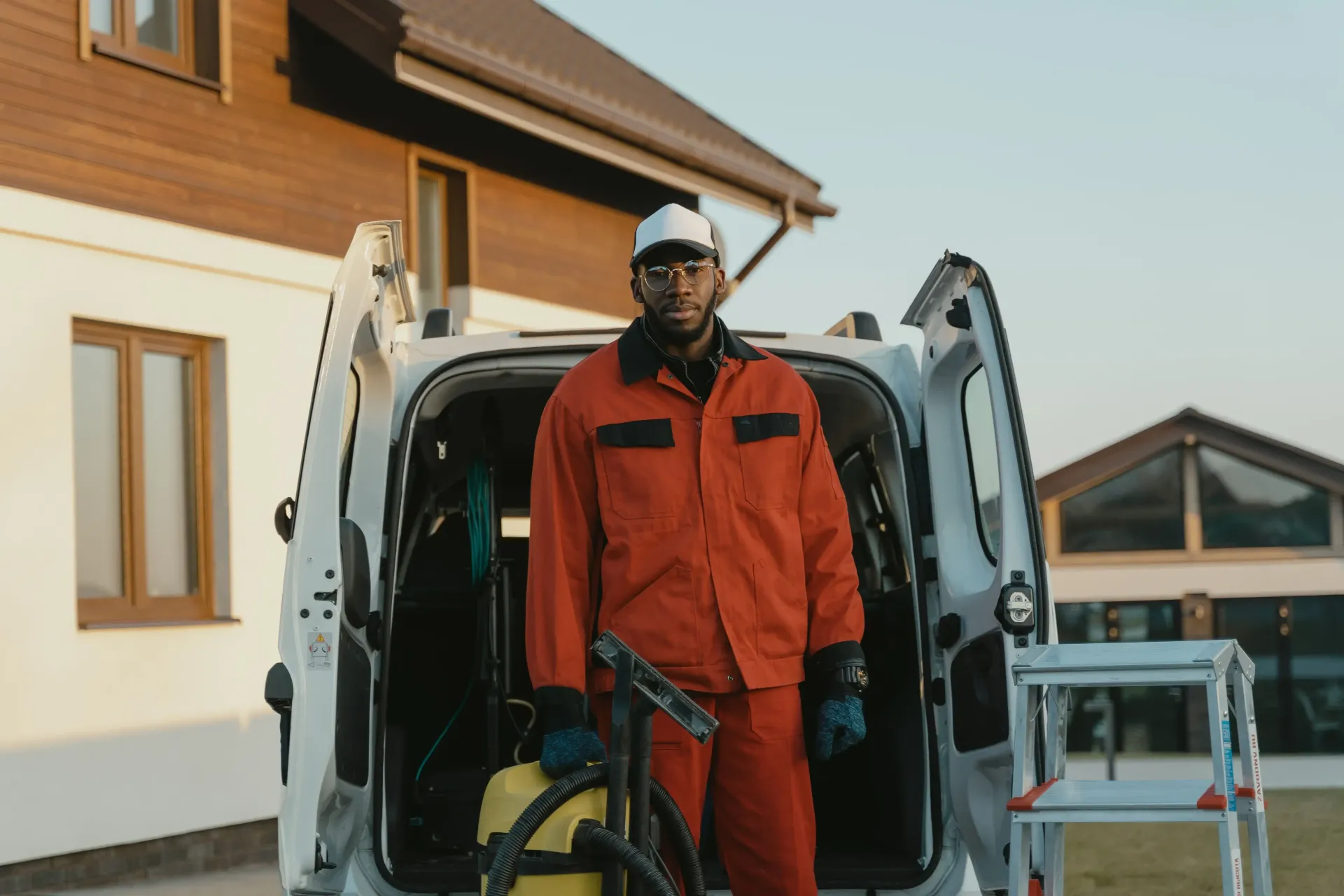
You walk out to the van at 6:30 in the morning. The side door has been forced open.
The van is still there, but the drills, meters, impact driver and saws you need for today’s job are gone.
You have Commercial Auto insurance.
Are the tools covered?
Often, not by the Commercial Auto policy alone.
That can come as an unpleasant surprise after a theft, especially when your crew is waiting and a customer expects you on site.
The first distinction to understand is simple:
The van and the tools inside the van are not necessarily insured as the same property.
Whether a loss is covered depends on the policies you carry, what was stolen and how the equipment is classified.
This is also a timely issue for Bay Area contractors. In June 2026, Concord police warned residents about an increase in vehicle break-ins and attempted thefts and specifically noted that work trucks and contractor vehicles were being targeted, with tools and construction equipment among the items frequently stolen.
For a contractor carrying thousands of dollars in equipment from one job to another, the time to understand that coverage is before a break-in happens.
What Does Commercial Auto Insurance Usually Cover?
Commercial Auto insurance is built primarily around the business vehicle and risks associated with operating it.
Depending on the coverage you purchased, a policy may address things such as:
- Liability when you or a covered driver causes an auto accident.
- Physical damage to the vehicle when applicable collision or comprehensive coverage is carried.
- Theft of the insured vehicle under applicable comprehensive or other-than-collision coverage.
- Damage caused during a break-in, such as a damaged door, lock or window, when the policy provides the appropriate physical-damage coverage.
- Certain permanently attached equipment, depending on the policy, how the vehicle has been described and how modifications or upfits are valued.
What you should not assume is that comprehensive coverage on the van automatically protects every tool, material or piece of equipment stored inside it.
Why Loose Tools Inside the Van Can Be a Coverage Gap
The important distinction is between:
the vehicle
and
the business property being transported inside it.
The Hartford states that tools and materials inside a commercial vehicle typically are not covered by Commercial Auto. Progressive Commercial similarly distinguishes unattached business equipment from the vehicle itself.
That can create a situation where damage to the van is handled under one coverage while the stolen tools are treated as a separate property loss.
For example, after a break-in, applicable Commercial Auto physical-damage coverage may address the damaged door or broken window.
The drills, meters and saws taken from the cargo area may require a different type of insurance.
Commercial General Liability generally is not the answer either. General Liability primarily addresses third-party bodily injury and property-damage claims. It typically is not the coverage intended to replace your own stolen tools.
Built-In Equipment vs. Portable Tools
This distinction matters because permanently attached equipment and movable business property may be treated differently.
The examples below are questions to review with your broker, not guarantees of coverage.
A useful way to think about it is:
The toolbox may be part of the van. The tools you take out of that toolbox and carry onto the jobsite may be a different insurance exposure.
That distinction also helps answer another common question: should tool coverage be added to Commercial Auto or insured separately?
Start by separating permanently attached vehicle equipment from portable property that moves between the van and the jobsite. Then review how your available policies are designed to insure each exposure.
What Insurance Can Cover Contractor Tools That Move Between Jobs?
Portable contractor tools are often insured through Inland Marine coverage, including policies or endorsements commonly described as Tools & Equipment or Contractor’s Equipment coverage.
Despite the name, Inland Marine insurance is not limited to marine risks. It is commonly used to insure property that moves between locations or does not remain at one fixed premises.
The Hartford describes Contractor’s Equipment coverage as insurance designed for construction tools and equipment used at jobsites, in transit or in temporary storage. Travelers similarly offers Contractors’ Equipment coverage for mobile tools and equipment, including certain theft exposures.
Depending on the policy, coverage may be available for property such as:
- portable hand and power tools
- equipment transported between jobsites
- equipment temporarily stored away from your primary location
- owned tools and equipment
- certain rented, leased or borrowed equipment
- employee-owned tools under some forms
The important phrase is depending on the policy.
Having a policy labeled “Tools & Equipment” does not mean every item, every location and every type of theft is automatically covered.
Already Have Tools & Equipment Coverage? Check These Nine Things
Buying the right category of insurance is only the first step. The limits and terms still need to match the way your business actually operates.
1. Per-item limits
Some policies place limits on individual unscheduled tools.
If you carry expensive diagnostic equipment, specialty machinery or high-value power tools, make sure one item does not exceed the amount the policy is designed to cover.
2. Total coverage limit
Compare the overall limit with the value of the equipment you actually carry today.
Contractors often add tools over time without updating the insurance protecting them.
3. Deductible
Compare the deductible with the value of the equipment normally carried in your vehicles.
A high deductible can materially reduce what a smaller covered loss pays.
4. Scheduled vs. unscheduled equipment
Higher-value equipment may need to be listed individually.
Keep accurate information for major items, including make, model and serial number where appropriate.
5. Where coverage applies
Ask whether the policy applies while equipment is:
- inside the vehicle
- being transported
- at a jobsite
- temporarily stored somewhere else
Do not assume all locations are treated the same.
6. Theft conditions and exclusions
Review the actual policy language for theft.
Some forms may contain specific conditions, limitations or exclusions that matter when equipment is left in a vehicle.
7. Rented or borrowed equipment
Equipment you rent or borrow may not be treated the same way as equipment your company owns.
8. Employee-owned tools
If employees bring their own equipment to work, determine whether those tools are included under your current setup.
9. How covered equipment is valued
Understand how the policy determines the value of damaged or stolen property.
Replacement-cost provisions and other valuation methods can produce different claim outcomes.
What If the Van and the Tools Are Both Stolen?
One event can involve more than one type of property.
If someone steals the entire work van:
- Commercial Auto may respond to the theft of the insured vehicle when applicable comprehensive or other-than-collision coverage is carried.
- Tools & Equipment or Inland Marine coverage may respond to covered loss of portable equipment that was inside the vehicle.
That can mean different portions of the loss are handled under different coverages, potentially with different deductibles or claim processes.
This is why insuring the vehicle does not necessarily mean everything traveling inside it is insured the same way.
What Should You Do After Tools Are Stolen From a Work Vehicle?
If the theft has already happened, good documentation matters.
- Report the theft to police. Get the report or incident number.
- Photograph the vehicle damage. Document broken windows, forced locks, doors and storage areas before repairs when possible.
- Make an itemized list of missing property. Include brand, model, age and serial number when available.
- Gather proof of ownership. Receipts, supplier records, photographs, credit-card statements and equipment inventories can all help establish what was lost.
- Tell your broker or insurer where the equipment was stored. Be specific about whether it was in a locked van, truck bed, toolbox, trailer or jobsite storage area.
- Report the different parts of the loss accurately. Do not guess which policy is responsible. Explain both the vehicle damage and the missing equipment.
- Ask what documentation is required before replacing equipment. That can help avoid unnecessary delays while you are trying to get the business operating again.
The insurer determines whether a loss is covered under the applicable policy. Keeping a current equipment inventory makes that process easier before a claim ever happens.
Bay Area Contractors: Your Van Is Only Part of What Keeps You Working
For electricians, plumbers, HVAC technicians, handymen and other contractors moving between jobs around the Bay Area, the work vehicle is an important business asset.
But the equipment inside it may be what actually allows the crew to earn money.
A plumber might carry press tools, inspection equipment and specialty machines.
An electrician may have meters, power tools and testing equipment.
An HVAC technician might carry recovery equipment, gauges and diagnostic tools.
If those tools disappear overnight, the van can still be sitting in the driveway while the business is unable to complete the next job.
That is why the practical question is not simply:
“Is my van insured?”
It is:
“If the equipment inside my van disappears tonight, how is that property insured?”
Protect the vehicle, then review the mobile equipment separately.
What Should You Send RVIS for a Tools and Vehicle Coverage Review?
You do not need to understand every insurance form before asking for a review.
Useful information includes:
- your current Commercial Auto declarations
- your Tools & Equipment or Inland Marine schedule, if you have one
- the approximate value of tools normally carried in each vehicle
- a list of your highest-value equipment
- whether equipment is owned, rented, borrowed or employee-owned
- whether tools remain in vehicles overnight
- the number and type of work vehicles you operate
- your trade and the type of work you perform
RVIS can review how your current insurance setup is structured, identify areas that may need attention and discuss coverage options that fit the way your contracting business actually operates.
You can also read our guide to Tools & Equipment Insurance for California contractors for a broader look at protecting mobile equipment.
Frequently Asked Questions
Does Commercial Auto insurance cover tools stolen from my van?
Often, not by the Commercial Auto policy alone. Commercial Auto primarily focuses on the insured vehicle and auto-related exposures. Portable tools may require Tools & Equipment, Contractor’s Equipment or other Inland Marine coverage. Actual coverage depends on the policy.
Does comprehensive Commercial Auto coverage pay for stolen tools?
Comprehensive or other-than-collision coverage may protect the insured vehicle against theft and certain non-collision damage. Do not assume that coverage automatically extends to portable business property stored inside the vehicle.
Are built-in toolboxes covered by Commercial Auto?
Permanently attached equipment may be treated differently from loose tools. How a toolbox, ladder rack, shelving system or other upfit is insured depends on the policy and how the vehicle and equipment have been described and valued.
What type of insurance covers contractor tools?
Portable contractor tools are often insured through Inland Marine coverage, including policies or endorsements commonly described as Tools & Equipment or Contractor’s Equipment coverage.
Are tools covered if they are stolen from a locked van?
They may be if applicable coverage is in place and the loss satisfies the policy’s terms and conditions. Locking the vehicle does not by itself create coverage.
Should I add tool coverage to Commercial Auto or buy separate coverage?
Start by determining whether the equipment is permanently attached to the vehicle or portable property that moves between jobs. Then review which available policy or endorsement is designed for that exposure. The best structure depends on your trade, equipment and available carriers.
The Bottom Line
Commercial Auto insurance protects the work vehicle and auto-related exposures.
It should not be assumed to protect every portable tool stored inside that vehicle.
If your contracting business depends on what is sitting in the cargo area, review whether those tools have separate coverage, whether the limits reflect what you actually carry and whether the policy applies where the equipment is normally stored and used.
Is your van insured, but not everything inside it?
If your work vehicles carry the tools that keep your business moving, ask RVIS to review how the vehicle and the equipment inside it are insured.
RVIS has worked with Bay Area businesses and contractors for more than 30 years, with service available in English and Spanish.
Sources: The Hartford, Commercial Auto Insurance FAQs; The Hartford, Contractor’s Equipment Insurance; Travelers, Contractors’ Equipment Insurance; Progressive Commercial, Commercial Auto Insurance, Commercial Van Insurance and Tools and Equipment Insurance; NBC Bay Area, “Concord police alert residents amid spike in vehicle thefts” (June 23, 2026).
This article provides general information and is not a coverage determination. Coverage depends on the specific policy, endorsements and facts of a loss. Review your insurance with a licensed agent.