Bay Area Independent Contractor Insurance: Your 2024 Guide

Ruben Villanueva • June 19, 2024

The Bay Area is a haven for independent contractors (ICs), boasting a thriving tech scene, a gig economy on the rise, and a constant demand for skilled professionals across various industries. If you're an independent contractor in the Bay Area, securing the right insurance is crucial to protect yourself financially and minimize risks associated with your work. This comprehensive guide explores the nuances of Bay Area independent contractor insurance in 2024, covering essential types of coverage, factors to consider when choosing a policy, and valuable resources for Bay Area ICs.

contractor-insurance

Why Do Bay Area Independent Contractors Need Insurance?

While the freedom and flexibility of independent contracting are attractive, there's a downside – you're responsible for managing your own risks. Unlike traditional employees with employer-sponsored benefits, ICs are responsible for securing their own health insurance, disability coverage, and protection against potential liabilities. Here's how insurance safeguards Bay Area independent contractors:

Financial Protection:

Accidents, injuries, or lawsuits can be financially devastating. Insurance helps mitigate these risks by covering medical expenses, legal fees, and lost income resulting from unforeseen circumstances.

Peace of Mind:

Knowing you have the right insurance coverage allows you to focus on your work with peace of mind. Unexpected events won't derail your financial stability.

Client Requirements:

Some clients might require ICs to carry specific insurance coverage as a condition of working with them. Having the necessary insurance demonstrates professionalism and protects both parties.

Essential Types of Insurance for Bay Area Independent Contractors

The specific insurance needs of Bay Area ICs will vary depending on their profession, income level, and risk tolerance. However, some essential types of coverage stand out:

General Liability Insurance (GL):

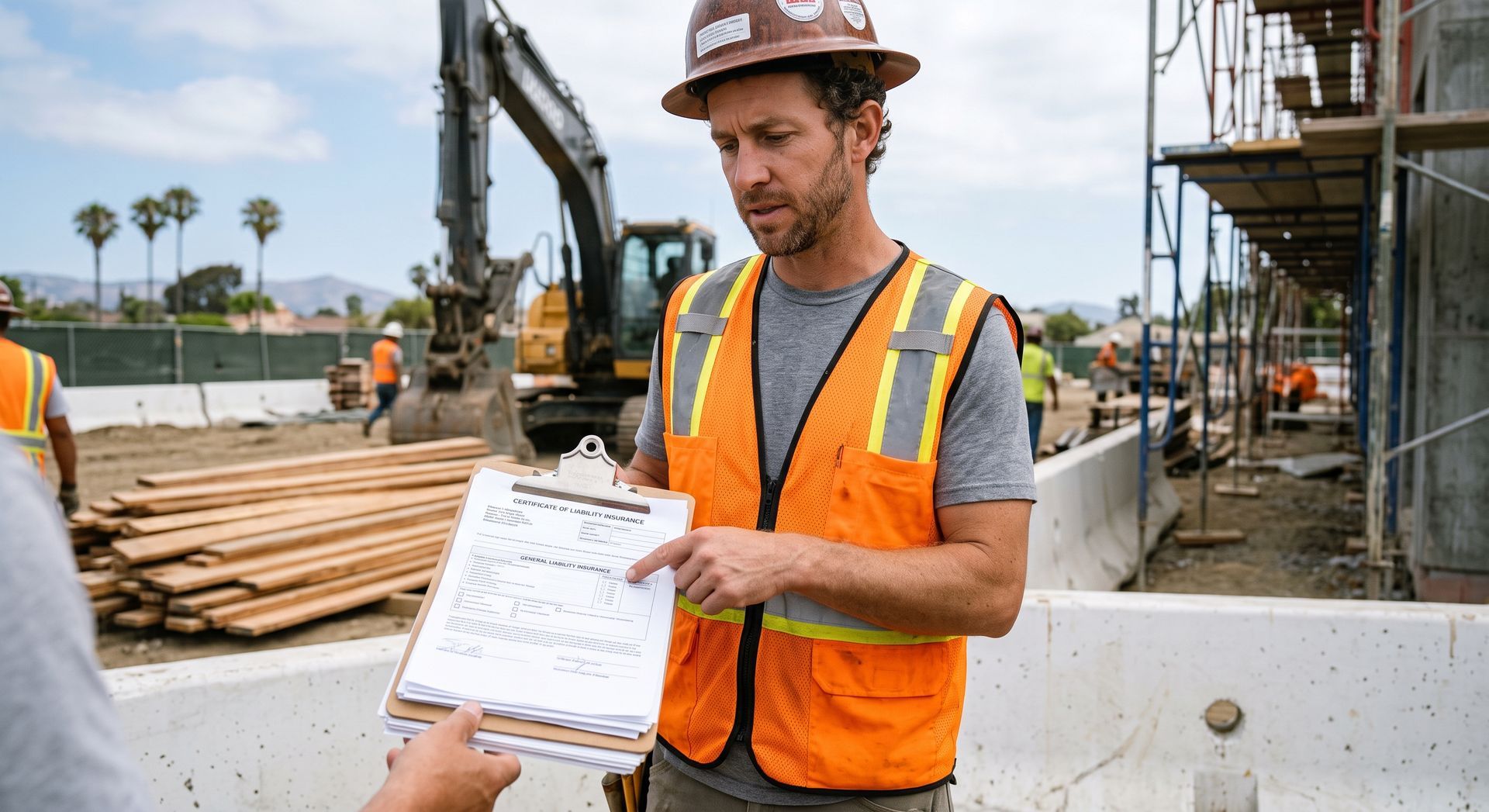
This is a cornerstone of any independent contractor's insurance portfolio. GL insurance protects against third-party claims of bodily injury or property damage arising from your work. For instance, if you're a freelance photographer and accidentally damage a client's property during a shoot, GL insurance would cover the repair costs.

Errors and Omissions Insurance (E&O):

Also known as professional liability insurance, E&O protects against claims of negligence or errors in your work that lead to financial losses for clients. This is particularly important for Bay Area ICs in fields where mistakes can be costly, such as consulting, web design, or financial services.

Workers' Compensation Insurance:

While not mandatory for all Bay Area ICs, workers' compensation insurance provides financial protection in case of work-related injuries or illnesses. It includes coverage for medical bills, lost income, and rehabilitation expenses. California requires workers' compensation for employees, but the classification of an independent contractor can be complex. It's crucial to consult with an employment attorney or the California Employment Development Department (EDD) for guidance on your specific situation.

Health Insurance:

As an independent contractor, you are responsible for obtaining your health insurance. The Bay Area offers a variety of options, including individual plans on the Covered California marketplace, private insurance companies, and Association Health Plans (AHPs) offered by professional associations.

Disability Insurance:

Disability insurance provides income protection if you become unable to work due to illness or injury. This is a crucial safety net for independent contractors who rely on their income for a living.

Additional Considerations for Bay Area Independent Contractors

Beyond the essential coverages mentioned above, Bay Area ICs may need to consider additional insurance options depending on their specific profession:

Commercial Auto Insurance:

If you use your vehicle for business purposes, standard auto insurance might not provide sufficient coverage. Commercial auto insurance is designed for business use and offers broader protection.

Cybersecurity Insurance:

With the increasing reliance on technology, cyberattacks are a growing threat. Cybersecurity insurance protects against financial losses resulting from data breaches or cyber extortion.

Business Property Insurance:

If you own equipment or inventory used for your freelance work, business property insurance protects against damage or theft.

Choosing the Right Independent Contractor Insurance in the Bay Area

With a variety of insurance options available, selecting the right coverage can be overwhelming. Here are some key factors to consider when choosing Bay Area independent contractor insurance:

Your Profession:

The specific risks associated with your work will determine the types of insurance you need. A freelance writer might prioritize E&O insurance, while a construction contractor would likely prioritize GL insurance.

Coverage Limits:

Insurance policies have coverage limits that specify the maximum amount the insurer will pay for a claim. Choose limits that are high enough to adequately protect you.

Deductible:

The deductible is the amount you pay out of pocket before the insurance company startscovering the claim. A higher deductible typically translates to a lower premium, but you'll need to be prepared to pay more upfront in case of a claim.

Cost:

Compare quotes from different insurance companies to find a policy that offers the right coverage at a competitive price. Don't just focus on the lowest premium; prioritize comprehensive coverage.

Customer Service:

Consider the reputation of the insurance company for excellent customer service. You want an insurer that's responsive and helpful when you need to file a claim.

Resources for Bay Area Independent Contractors

The Bay Area boasts a wealth of resources to assist independent contractors in navigating insurance and other business needs:

California Employment Development Department (EDD):

The EDD provides valuable information on worker classification, independent contractor guidelines, and unemployment benefits: https://edd.ca.gov/

Freelancers Union:

This non-profit organization offers resources, benefits, and advocacy for independent workers, including information on health insurance options: https://freelancersunion.org/

SCORE San Francisco:

SCORE offers free and confidential business mentoring to entrepreneurs, including guidance on selecting the proper insurance for their independent contracting business: https://www.score.org/sanfrancisco

Bay Area Chambers of Commerce:

Many local chambers offer resources and networking opportunities for independent contractors. Locate your local chamber through the California Chamber of Commerce website: https://www.calchamber.com/

Conclusion

Independent contracting in the Bay Area can be a rewarding career path. By securing the right insurance coverage, you can minimize risks, protect your financial well-being, and focus on building a successful freelance business. Utilize the resources available and consult with experienced insurance professionals to ensure you have the proper coverage in place. With comprehensive insurance and a proactive approach, you can navigate the exciting world of Bay Area independent contracting with confidence.

Finding the Right Insurance Partner

At RVIS Insurance Agency, a trusted Bay Area family-owned business with over 30 years of experience, we understand the unique needs of independent contractors. Our knowledgeable agents can help you navigate the complexities of insurance and tailor a policy that provides the right protection for your specific freelance business. We offer competitive rates, excellent customer service, and a commitment to helping Bay Area ICs thrive.

Contact us today for a free quote and experience the RVIS difference!
By Ruben Villanueva July 31, 2026
Learn how commercial auto insurance protects your small business. Call RVIS Insurance Agency in San Jose at 408-206-8826 for a customized commercial quote.
By Ruben Villanueva July 24, 2026
Your tools are the lifeblood of your contracting business. Whether you are an independent San Jose electrician with a specialized diagnostic kit or a heavy civil contractor operating a fleet of excavators across the Bay Area, you cannot generate revenue without your equipment. Yet, many California contractors operate under a dangerous misconception. They assume their commercial auto policy or their general liability insurance covers their tools if they are stolen or damaged. Unfortunately, that assumption usually shatters right after a break-in occurs. Construction site theft and work truck break-ins are major issues across California. When thousands of dollars worth of saws, generators, or specialized diagnostic equipment disappear overnight, standard insurance policies often provide zero help. To protect your physical assets, you need a specific type of coverage known in the industry as inland marine insurance, commonly referred to as contractor tools and equipment coverage. Here is exactly how tools and equipment coverage works in 2026, what it protects, and why relying on basic liability policies will leave your business exposed. The Gap in Standard Contractor Insurance To understand why you need equipment coverage, you must understand the limits of your existing policies. General liability insurance covers injuries to third parties or accidental damage you cause to someone else's property. It does not cover your own property. If someone steals your air compressor from a job site, general liability offers no protection. Commercial auto insurance covers the vehicle itself and liability for accidents. It generally does not cover the tools inside the vehicle. If a thief smashes your van window and empties the cargo area, your auto policy might pay for the glass, but it will not replace the stolen tools. Commercial property insurance covers your business assets, but typically only when they are stored at your primary, designated business address. The moment your tools go into a truck, travel down the highway, and arrive at a temporary job site, commercial property coverage usually stops applying. This leaves a massive gap in protection for contractors who are constantly on the move. Tools and equipment coverage is designed specifically to fill that gap. What Does Tools and Equipment Insurance Cover? This specialized coverage protects your mobile business property wherever it goes. In the insurance world, this is often categorized as "inland marine" insurance, a historical term that simply refers to property in transit over land. For a modern California contractor, this policy covers three primary categories of equipment. Small Hand Tools and Power Tools This includes the everyday gear your crew relies on. Drills, saws, nail guns, pipe threaders, and specialized hand tools are highly targeted by thieves because they are easy to carry and easy to resell. If your locked job box is broken into overnight, this policy helps cover the replacement costs. Heavy Mobile Equipment If you own or rent heavy machinery, the financial risk is substantial. Skid steers, backhoes, excavators, and scissor lifts are expensive assets. Tools and equipment coverage protects these machines against theft, vandalism, fire, and certain types of weather damage while they are parked on a job site or stored in a temporary yard. Equipment in Transit Accidents happen on the road. If your trailer flips on the highway and your customized equipment is destroyed, your commercial auto policy covers the trailer, but the tools and equipment policy covers the machinery that was strapped to it. Key Exclusions You Must Know No insurance policy covers everything. Understanding the exclusions in a tools and equipment policy ensures you handle your gear responsibly and prevents denied claims. First, standard wear and tear is never covered. If a motor burns out on a five year old table saw because of heavy use, you are responsible for replacing it. Insurance covers sudden, accidental losses, not maintenance or mechanical breakdown. Second, unexplained disappearance is usually excluded. If you simply lose a tool or cannot remember where you left it, the insurance company will likely deny the claim. You typically need proof of a specific event, like a police report documenting a theft. Third, employee theft is often excluded from standard property policies. If a crew member steals equipment, you may need a separate commercial crime policy or an employee dishonesty endorsement to recover the loss. Replacement Cost vs. Actual Cash Value When setting up your policy, you will face a critical choice regarding how the insurance company values your lost equipment. This decision drastically impacts your payout after a claim. Actual Cash Value (ACV) means the insurer will pay you the current, depreciated value of the tool. If you bought a generator for $2,000 four years ago, its actual cash value today might only be $800. An ACV policy is cheaper to buy, but it leaves you paying the difference out of pocket when you need to buy a brand new replacement. Replacement Cost Value (RCV) means the insurer will pay what it actually costs to buy a brand new version of that same tool today, without deducting for depreciation. While RCV policies carry a slightly higher premium, they ensure you can replace your stolen gear immediately and get back to work without draining your business bank account. How to Document Your Gear for Faster Claims If you suffer a massive theft, the insurance carrier will require proof of what was stolen. Trying to remember every tool you owned after a break-in is stressful and often leads to forgotten items and lower payouts. Smart contractors maintain an updated tool inventory. Create a spreadsheet listing every major piece of equipment. Include the make, model, purchase date, purchase price, and the serial number. Keep copies of the original purchase receipts. Take a video walking through your shop and your work trucks every six months, clearly showing the tools in your possession. Store this inventory list and the video files in a cloud storage system so you can access them even if your primary laptop is stolen. Having this documentation ready cuts the claims processing time down significantly. Frequently Asked Questions Does general liability insurance cover stolen tools? No. General liability insurance only covers damage you cause to third party property or third party injuries. It does not cover your own business property or tools. To cover stolen tools, you need a contractor tools and equipment policy. Does commercial auto insurance cover tools stolen from a truck? Usually, no. A standard commercial auto policy covers the vehicle itself. Property stored inside the vehicle requires a separate inland marine or tools and equipment policy to be covered against theft or damage. What is inland marine insurance for contractors? Inland marine insurance is an industry term for coverage that protects business property in transit over land. For contractors, it specifically covers mobile tools, heavy equipment, and materials while they are transported between job sites or stored temporarily at a project location. Are rented tools covered under a contractor equipment policy? Yes, tools and equipment policies can be structured to cover both owned equipment and equipment leased or rented from third parties. You must ensure your specific policy includes a provision for rented machinery before signing a rental agreement. What is the difference between actual cash value and replacement cost for tools? Actual cash value pays the depreciated value of a tool at the time it was stolen. Replacement cost pays the exact amount required to buy a brand new version of the tool at today's prices. Replacement cost provides better financial protection for contractors. Does equipment insurance cover mechanical breakdown? No. Contractor tools and equipment insurance covers sudden, accidental losses like theft, fire, or transit accidents. It does not cover standard wear and tear, mechanical breakdowns, or a tool simply burning out from heavy use. How do contractors prove what tools were stolen for an insurance claim? Contractors should maintain an updated digital inventory including the make, model, serial numbers, and purchase receipts for all equipment. Storing photos or a video walk-through of the tools in a cloud system greatly speeds up the insurance claims process. Is heavy machinery like an excavator covered under inland marine? Yes. Heavy mobile equipment such as excavators, skid steers, and backhoes are standard items covered under a contractor tools and equipment policy, protecting them against theft and damage on the job site. Does tools and equipment coverage apply if an employee steals gear? Employee theft is typically excluded from standard tools and equipment policies. To protect against employee theft, a contracting business must purchase a specific commercial crime policy or add an employee dishonesty endorsement. How much does contractor tools and equipment insurance cost in California? The cost depends on the total value of the tools being insured, the limit of coverage required, and whether you choose replacement cost or actual cash value. Small hand tool policies can cost a few hundred dollars annually, while policies covering fleets of heavy machinery will cost more. Secure Your Livelihood in San Jose and Beyond You invest heavily in the right tools so you can deliver quality work to your clients. Do not leave that investment vulnerable to theft, transit accidents, or job site hazards. A single major theft can halt your operations and destroy your cash flow. Securing a dedicated tools and equipment policy is an affordable way to guarantee that a stolen truck or a raided job box does not put you out of business. At RVIS Insurance Agency, we help California contractors close the dangerous gaps in their coverage. We understand the difference between general liability and inland marine, and we know how to structure a policy that actually protects your day to day operations. Call RVIS Insurance Agency today at 408-206-8826 or visit our San Jose office at 1155 N. Capital Ave. Ste. 150 San Jose, Ca. 95132 Berryessa Offices Building. Let our team review your current policies, identify any missing protections, and secure the exact equipment coverage your contracting business needs.