
Commercial Auto Insurance for San Jose Contractors: Why Personal Policies Fail
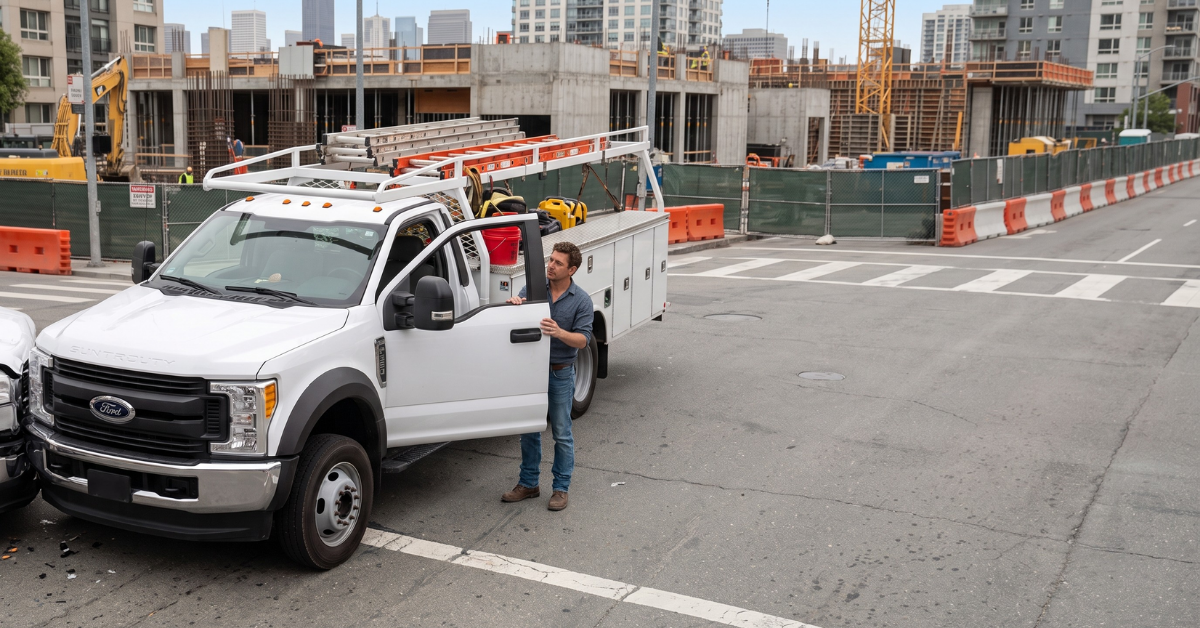
You rely on your truck, van, or fleet to keep your contracting business moving. Whether you are a plumber heading to a service call in San Jose or a landscaper hauling a heavy trailer across the Bay Area, your vehicle is a critical tool for your livelihood. But many independent contractors are driving with a hidden, massive financial risk. They rely on their personal auto insurance policy to protect their business operations.
When an accident happens on the job, finding out your insurance carrier has denied your claim is a nightmare. Personal auto policies are not designed to cover the specific risks, vehicle weights, and liabilities associated with commercial work. If you cause a collision while transporting company tools or driving to a job site, you could be held personally responsible for property damage, medical bills, and legal fees.
Understanding the critical differences between personal and commercial auto insurance is the first step to protecting you
r business assets. Here is exactly what Bay Area contractors need to know about securing the right commercial auto coverage.
The Critical Difference Between Personal and Commercial Auto Insurance
Insurance carriers assess risk based on how a vehicle is used. Personal auto insurance is priced and structured for standard commuting, running errands, and personal travel. The risk profile is relatively predictable and generally involves lighter vehicles carrying passengers rather than heavy cargo.
Commercial auto insurance is built for the complex realities of running a business. When you use a vehicle for commercial purposes, your time on the road increases, the areas you travel become more varied, and the cargo you carry changes the vehicle dynamics.
How Insurance Carriers Define Business Use
The distinction often comes down to the primary purpose of your trip. If you are driving from your home to a single office location, that is a standard commute covered by a personal policy. However, the definition changes the moment your vehicle becomes essential to your work.
Carriers typically classify a vehicle as commercial if it is registered to a business entity, if employees drive the vehicle, or if it is used to transport goods, tools, or equipment for financial gain. Driving from job site to job site throughout the day is considered commercial use. If you fail to disclose this use to your insurance company, they have the legal right to deny coverage during a claim based on misrepresentation of risk.
The Weight and Equipment Factor
Contractor vehicles are fundamentally different from standard passenger cars. A heavy duty pickup truck outfitted with ladder racks, custom toolboxes, and a welder in the bed carries significantly more weight than a standard sedan. If that truck is involved in a collision, the physical impact is much greater, leading to higher property damage and more severe bodily injuries. Personal auto policies often have weight restrictions and strictly exclude vehicles modified with permanent commercial equipment. Commercial policies account for these heavier gross vehicle weights and specialized modifications.
Real Scenarios Where Personal Auto Insurance Denies Coverage
Many contractors assume their coverage will protect them until they actually file a claim. Insurance adjusters will investigate the circumstances of an accident to determine if the vehicle was being used for business.
Transporting Tools and Construction Materials
Imagine you are a general contractor picking up a load of lumber and hardware from a supply store in San Jose. On the way to the job site, you rear end another vehicle at a stoplight. When the police and the insurance adjuster note that your truck was loaded with commercial building materials meant for a paying client, your personal auto carrier will likely deny the liability claim. You would be left paying out of pocket for the other driver's repairs and medical bills.
Driving Between Job Sites
A mobile mechanic or an electrician rarely stays at one location. Your day might involve visiting four different residential properties across the Bay Area. If an accident occurs while you are in transit between your second and third appointment, that is classified as business operations. A personal policy explicitly excludes coverage for driving activities that are part of generating income.
Employees Driving Your Vehicles
If you hire a crew member and ask them to run an errand in your work truck to grab supplies, you take on significant liability. Personal auto policies generally apply to the named insured and family members for personal use. Allowing an employee to drive your vehicle for a business task requires commercial auto insurance. If that employee causes a crash, a personal policy will not cover the damages, leaving your business fully exposed to lawsuits.
What Does Commercial Auto Insurance Cover?
A well structured commercial auto policy provides robust protection designed to keep your business operational after an incident. While the specific limits can be customized to your exact needs, standard commercial auto policies include several core coverages.
Bodily Injury Liability
If you or your employee cause an accident that injures another person, bodily injury liability covers their medical expenses, rehabilitation costs, and potential lost wages. Given the high costs of healthcare in California, having adequate bodily injury limits is crucial to prevent a single accident from bankrupting your business.
Property Damage Liability
This coverage pays for the repair or replacement of another person's property if you are at fault in an accident. This includes other vehicles, as well as structures like fences, mailboxes, or storefronts. Because commercial vehicles can cause severe damage, commercial policies offer much higher liability limits than personal policies.
Combined Single Limits vs. Split Limits
Personal auto policies usually use split limits, meaning there are separate caps for bodily injury per person, bodily injury per accident, and property damage per accident. Commercial auto policies often offer a Combined Single Limit. This provides one large pool of money that can be applied to any combination of bodily injury and property damage claims from a single incident. This flexibility is highly beneficial for business owners facing unpredictable claim costs.
Comprehensive and Collision Coverage for Work Trucks
Liability covers the other party, but you also need to protect your own asset. Collision coverage pays to repair or replace your business vehicle if it hits another object or overturns, regardless of fault. Comprehensive coverage protects your vehicle against non collision incidents, such as theft, vandalism, fire, or severe weather damage. Replacing a customized work truck out of pocket is impossible for most small businesses, making physical damage coverage essential.
Who Needs Commercial Auto Insurance in the Bay Area?
Any business owner operating a vehicle for work purposes needs to evaluate their coverage. The rule applies across virtually all trades and mobile services.
Plumbers, Electricians, and HVAC Technicians
These trades require specialized vans or trucks filled with valuable inventory and tools. Their daily routine involves constant travel between residential and commercial service calls. The high mileage and specialized nature of their vehicles make commercial auto insurance mandatory for proper protection.
Landscaping Businesses
Landscapers present a unique risk profile. They frequently tow heavy trailers loaded with mowers, tractors, and heavy materials. Towing significantly alters braking distances and maneuverability. Commercial auto policies are necessary to extend liability coverage to the trailer while it is attached and in use.
Delivery and Courier Services
If your business involves transporting goods for a fee, whether it is local package delivery, catering, or transporting specialized equipment, you are acting as a motor carrier. Personal auto policies strictly prohibit livery and delivery services.
How Commercial Auto Insurance Protects Your Business Assets
Operating without the right insurance puts everything you have built at risk. In California, if you are found legally liable for a severe accident and your insurance denies the claim, the injured party can sue your business directly.
A lawsuit can result in judgments that drain your business bank accounts, force the liquidation of your specialized equipment, and even put your personal assets at risk if your business structure does not provide adequate separation. Commercial auto insurance acts as a financial firewall. It absorbs the massive costs of settlements, legal defense fees, and judgments so that your business can survive a worst case scenario.
Factors Influencing Commercial Auto Insurance Costs in San Jose
Contractors are right to monitor their overhead costs. Commercial policies are generally more expensive than personal policies because the coverage limits are higher and the risk is greater. However, several factors determine your exact premium.
Vehicle Type and Weight Class
The size and weight of your vehicle directly impact the cost. A compact transit van will cost less to insure than a heavy duty dump truck or a box truck. Heavier vehicles cause more damage in collisions, which increases the liability risk for the insurance carrier.
Driving Radius
Insurance carriers calculate premiums based on where and how far you drive. A contractor who operates strictly within a 15 mile radius of San Jose will likely pay less than a contractor who regularly drives from San Jose to San Francisco and Oakland. A larger driving radius means more time on the road and exposure to diverse traffic risks.
Driver Records and Experience
The driving history of everyone allowed to operate the business vehicles plays a major role in pricing. A clean driving record with no accidents or moving violations will secure the most favorable rates. When hiring employees who will drive your vehicles, it is critical to review their motor vehicle records, as a driver with multiple infractions will cause your commercial premiums to spike.
Integrating Commercial Auto with General Liability and Inland Marine
Commercial auto insurance is just one piece of a complete risk management strategy. It is vital to understand where auto insurance ends and other policies begin.
Closing the Gaps in Contractor Protection
Commercial auto insurance covers the vehicle itself and the liability of driving it. However, it does not cover the specialized tools and equipment stored inside the vehicle against theft or damage. For that, contractors need Inland Marine insurance, often called a contractor tools and equipment policy.
Furthermore, once your vehicle is parked at a job site and you begin your work, your General Liability insurance takes over. If you accidentally cause property damage while installing equipment at the site, your general liability policy responds. Partnering with a specialized broker ensures these policies work together seamlessly, leaving no dangerous gaps in your coverage.
Frequently Asked Questions About Commercial Vehicle Coverage
Can I just add a business use endorsement to my personal policy? Some carriers allow minor business use endorsements for light vehicles, but this is rarely sufficient for construction or trade contractors. Endorsements usually maintain low liability limits and often exclude vehicles with commercial modifications or those carrying heavy materials. A dedicated commercial policy is much safer.
Are my tools covered if my work truck is broken into? No. Commercial auto insurance typically covers the vehicle itself, not the unattached cargo or tools inside it. You must purchase an Inland Marine or contractor equipment policy to cover stolen tools and machinery.
Do I need commercial auto insurance for a rented truck? If you rent a truck for business operations, your commercial auto policy can often be extended to cover hired or non owned autos. If you only have a personal policy, it will likely exclude coverage for a rented commercial truck used for business purposes.
What happens if an employee gets in an accident in their own car while running a business errand? If an employee causes an accident while driving their personal car for your business, your business can be sued. You need Hired and Non Owned Auto liability coverage to protect your company in this exact scenario.
How much commercial auto liability coverage should a contractor carry? While California has low minimum requirements, most commercial contracts require contractors to carry at least $1,000,000 in commercial auto liability coverage before they can step foot on a job site.
Secure Your Fleet and Your Livelihood
Do not wait until the tow truck is hooking up your work van to find out what your insurance policy actually covers. Relying on a personal auto policy for your contracting business is a gamble that no professional should take. Ensure your vehicles, your employees, and your business assets are fully protected against the unpredictable risks of Bay Area traffic.
At RVIS Insurance Agency, we specialize in building customized insurance packages for independent contractors. We know the difference between standard commuting and commercial operations. Let our team review your current policies, identify missing protections, and secure the exact coverage you need to keep your business moving forward.
Call us at 408-206-8826 or visit us locally at the Berryessa Offices Building in San Jose to speak directly with an agent.